Global burned area was among the lowest on record. Yet many parts of the world experienced devastating wildfire impacts. What does that tell us about how fire is changing in a warming world?
After increasing devastating wildfire headlines, it might seem surprising that a key finding from the State of Wildfires 2025-26 report is that global burned area remained remarkably low by historical standards. Globally, burned area continued a trend evident for much of the satellite era: less of the Earth’s surface is burning each year. Global fire emissions were also well below average.
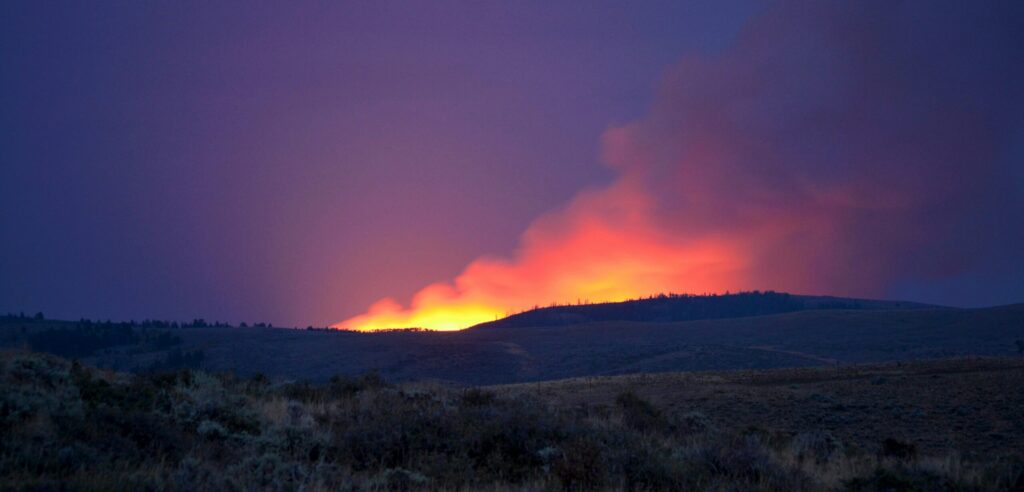
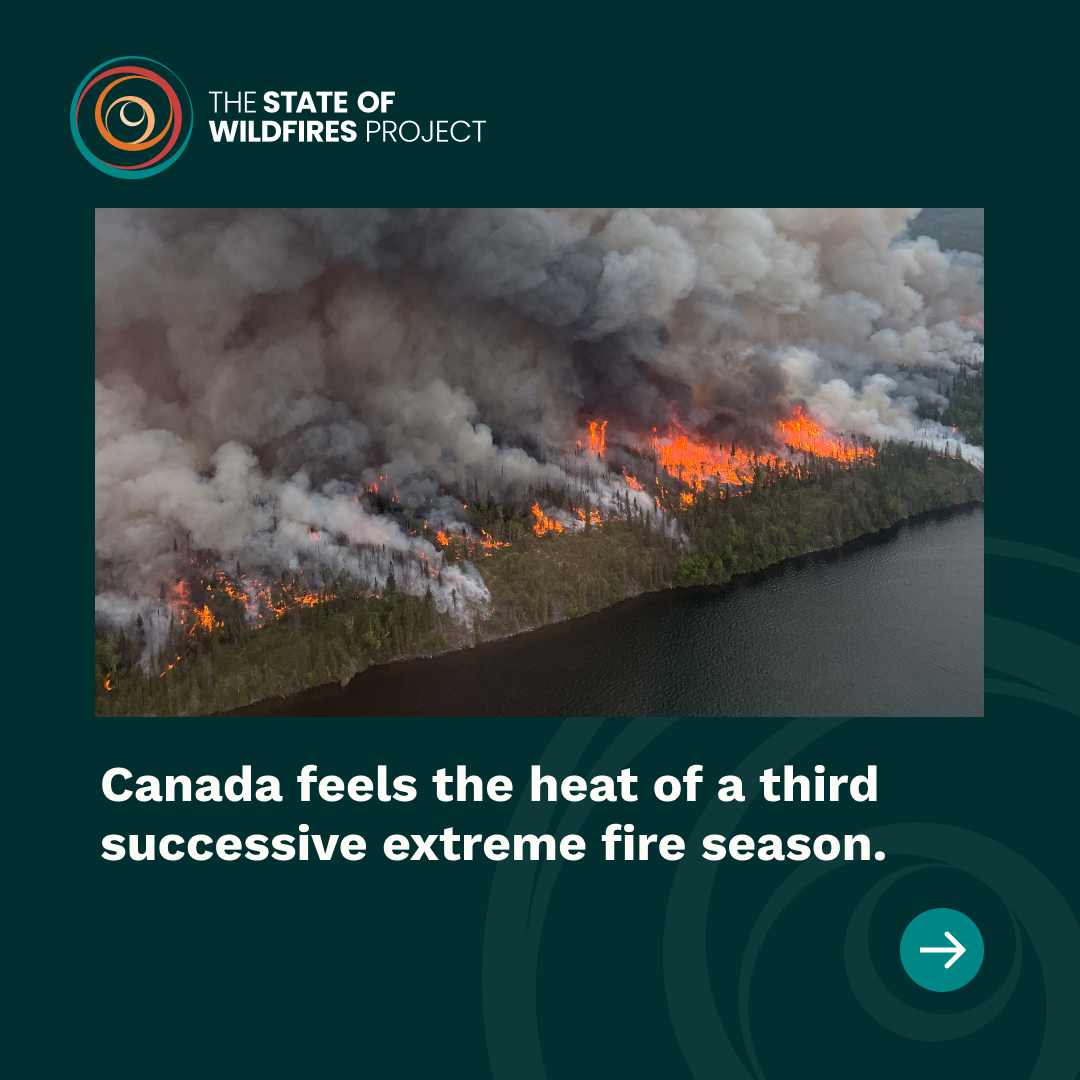
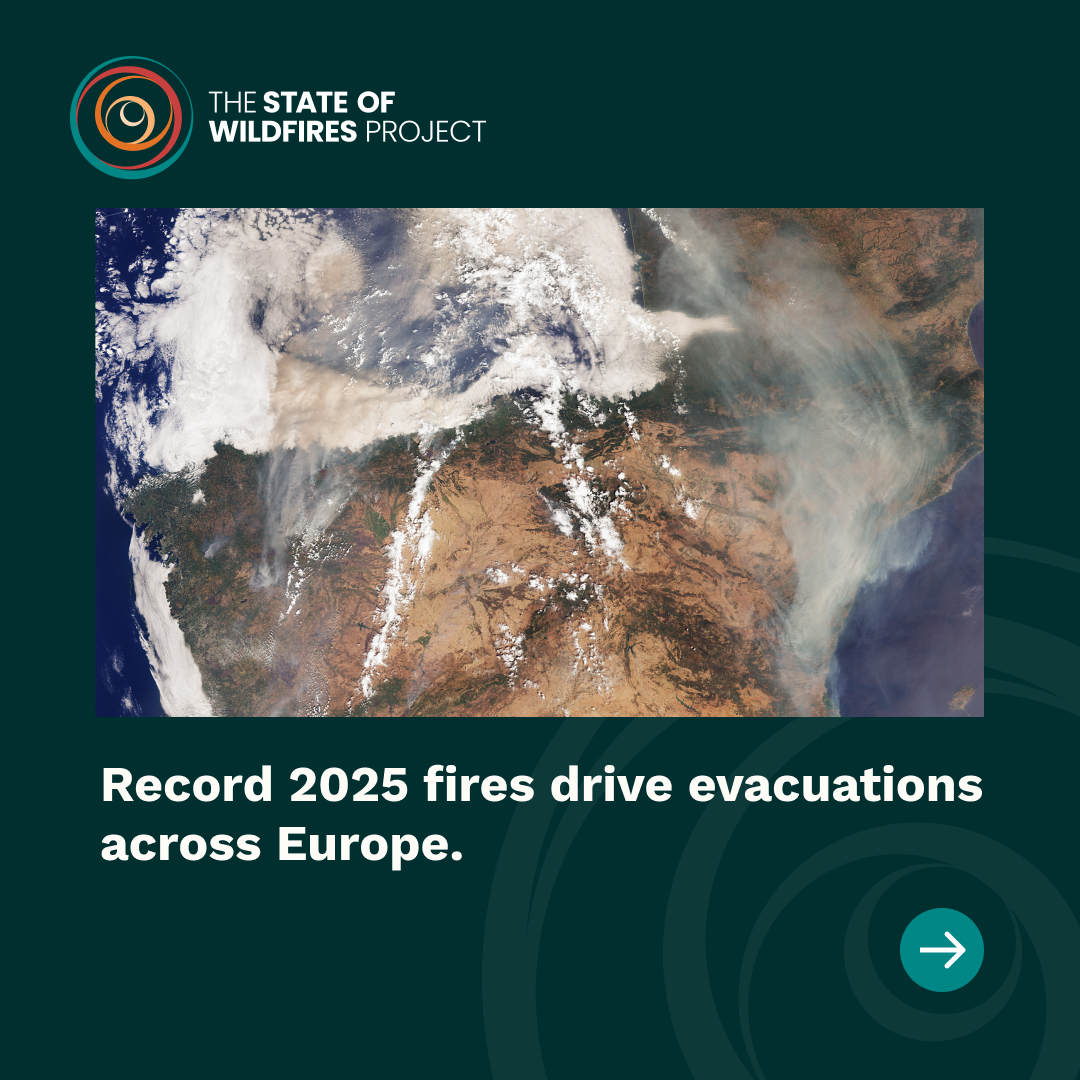
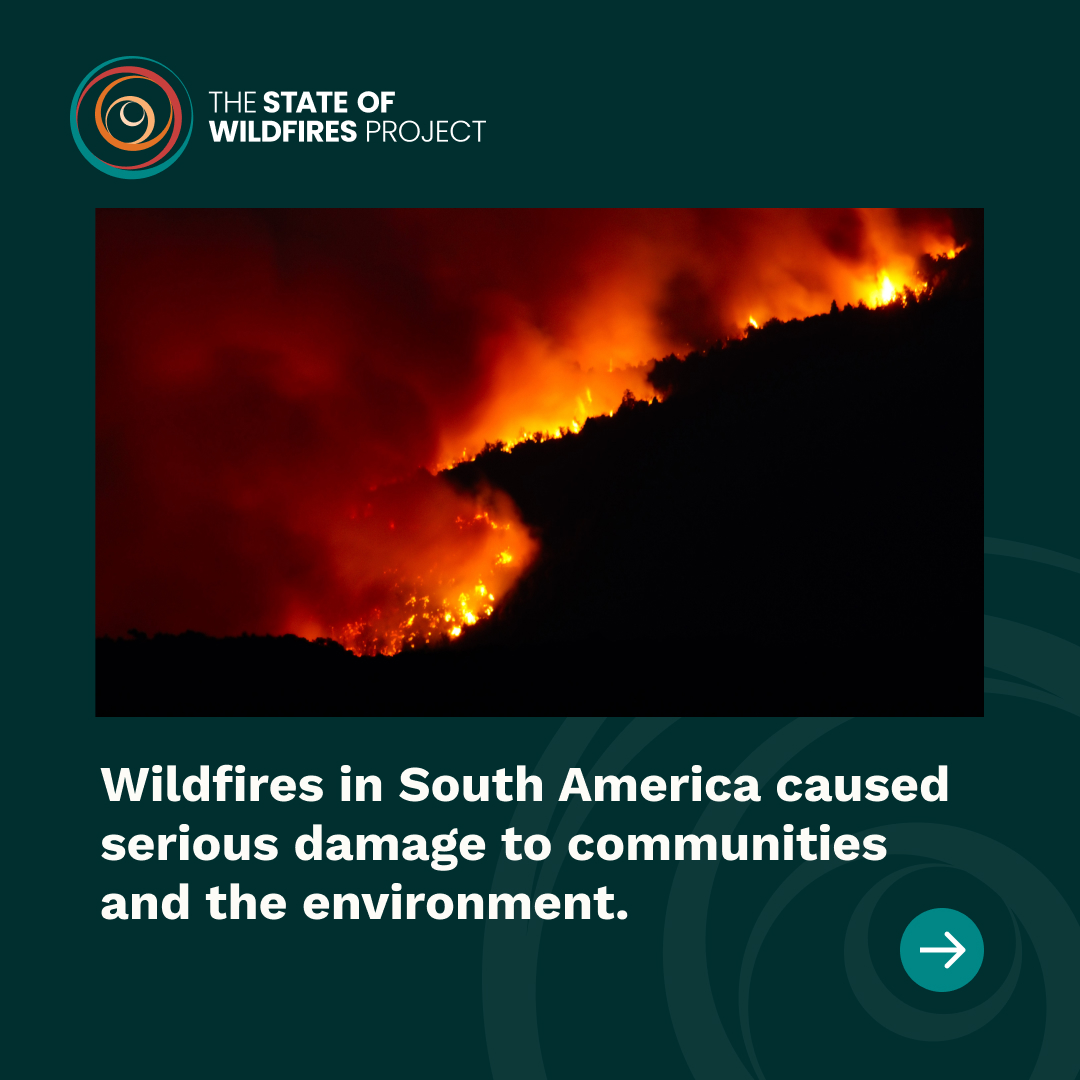
Yet 2025-26 delivered a long list of extreme regional wildfire events. Canada experienced its third consecutive year of exceptional forest fires. Northwest Iberia suffered some of its largest fires on record. Chile faced another deadly fire season. Across several continents, communities experienced evacuations, smoke pollution, infrastructure losses and ecological damage.
And this is not just the 2025/26 fire season. Across the three years of State of Wildfires reporting, climate change has consistently been found to be increasing the likelihood and severity of extreme wildfire events, with future warming projected to increase risks further still. All the while, global burned area continued its decline.
How can all these things be true at once? How can climate change be making some of the world’s most damaging wildfire events larger, while global burned area continues to decline?
One global trend, many local fire realities
The answer begins with recognising that global burned area combines many very different types of fire into a single number.
Most of the world’s burned area occurs in grasslands and savannas, especially in the tropics. Fires are a regular, fundamental ecological process in many of these systems, shaping biodiversity, nutrient cycling and vegetation structure. Here, human societies have also used fire as a land-management tool for millennia, from Indigenous and traditional stewardship practices to modern agricultural and landscape management. Ecosystems and society are built around this proclivity to burning.
Over recent decades, burned area across many savanna regions has declined substantially. This trend is particularly visible in Africa, which recorded its lowest burned area in the satellite record during 2025-26.
In many areas, changing land use, agricultural expansion and landscape fragmentation have reduced the amount of fuel available to burn. In some places, warming and drought may also reduce grass production, further limiting fire spread.
The dominant component of global fire activity is getting smaller. But that dominant component is not “extreme wildfires”.
Why the fires making headlines are different
The fires causing the greatest concern often aren’t the ones that dominate global burned-area statistics.
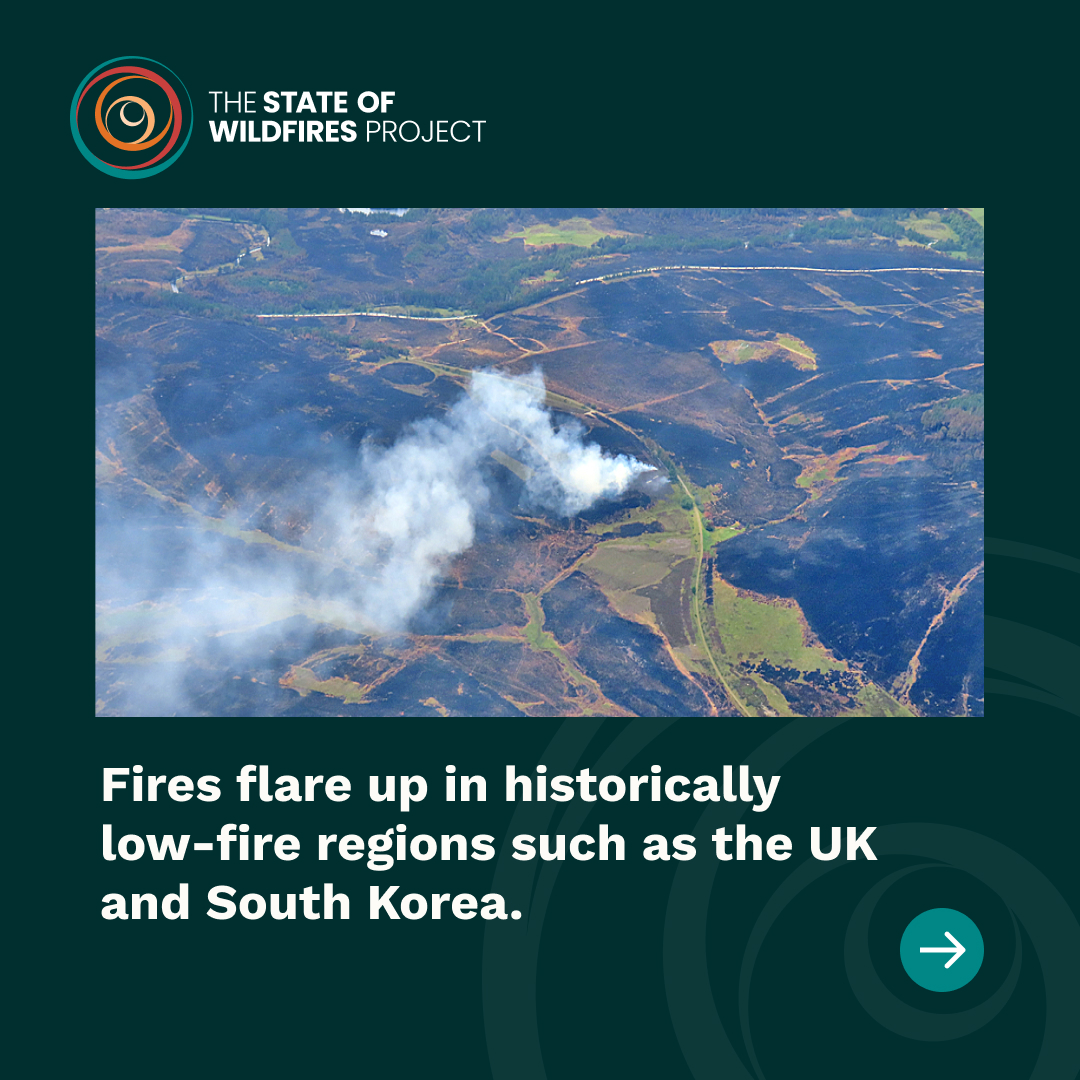
These tend to occur in very different ecosystems: forests, peatlands, Mediterranean landscapes and wildland-urban interfaces where people, infrastructure and valuable ecosystems are concentrated.
These fires often produce impacts that are poorly captured by global burned area statistics:
- deaths and evacuations;
- smoke exposure affecting millions of people;
- loss of homes and infrastructure;
- destruction of protected areas;
- large carbon emissions from forests and peatlands;
- impacts on livelihoods and cultural heritage.
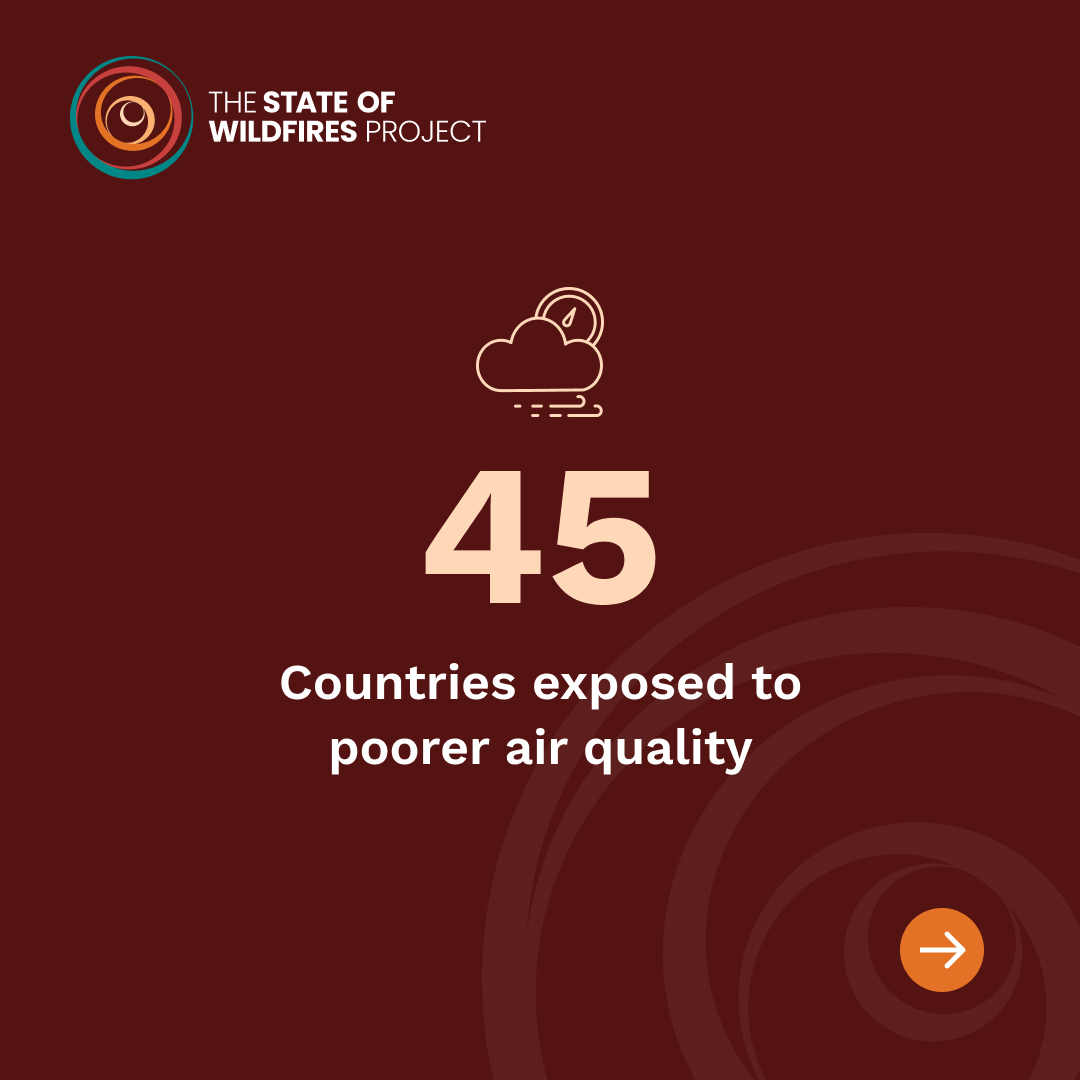
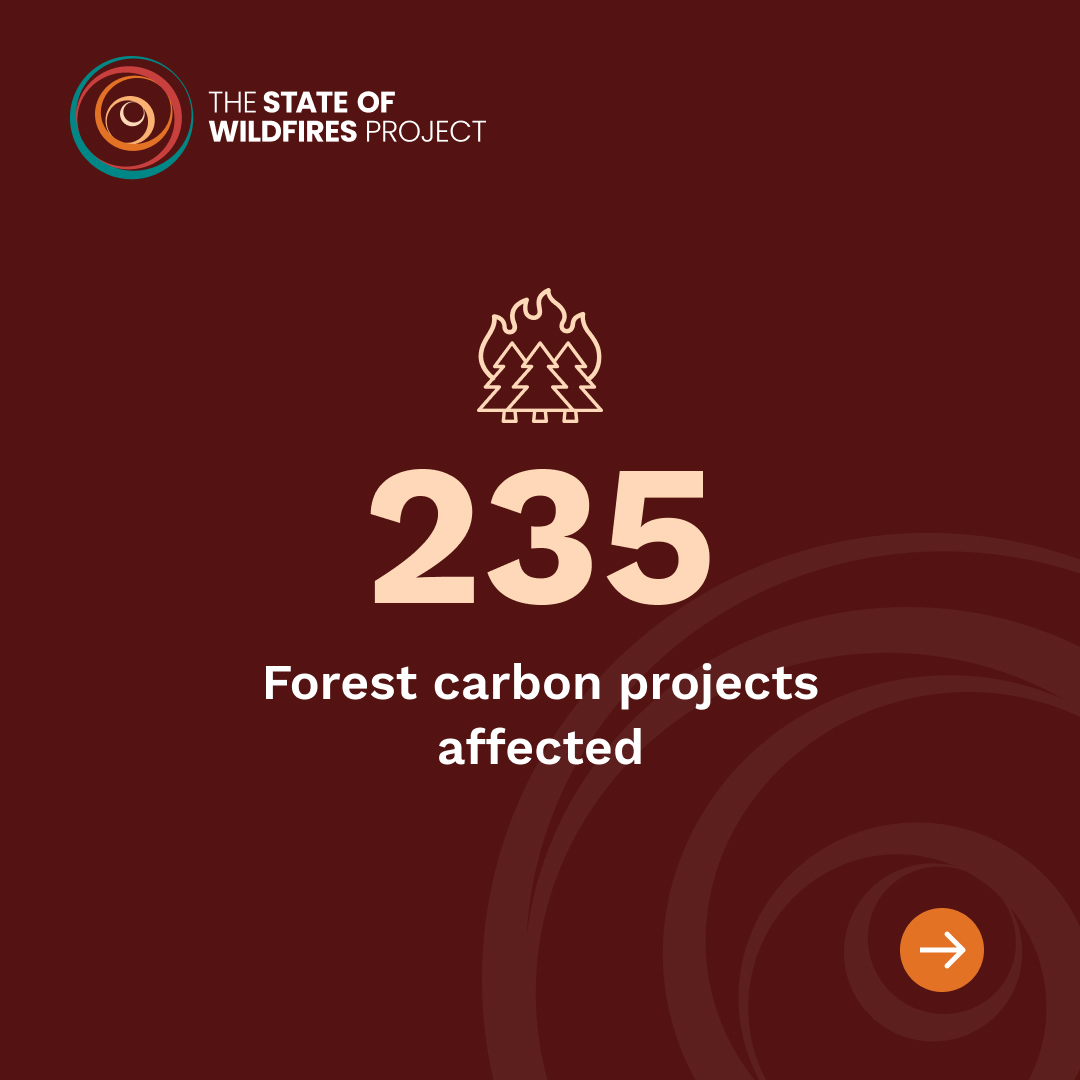
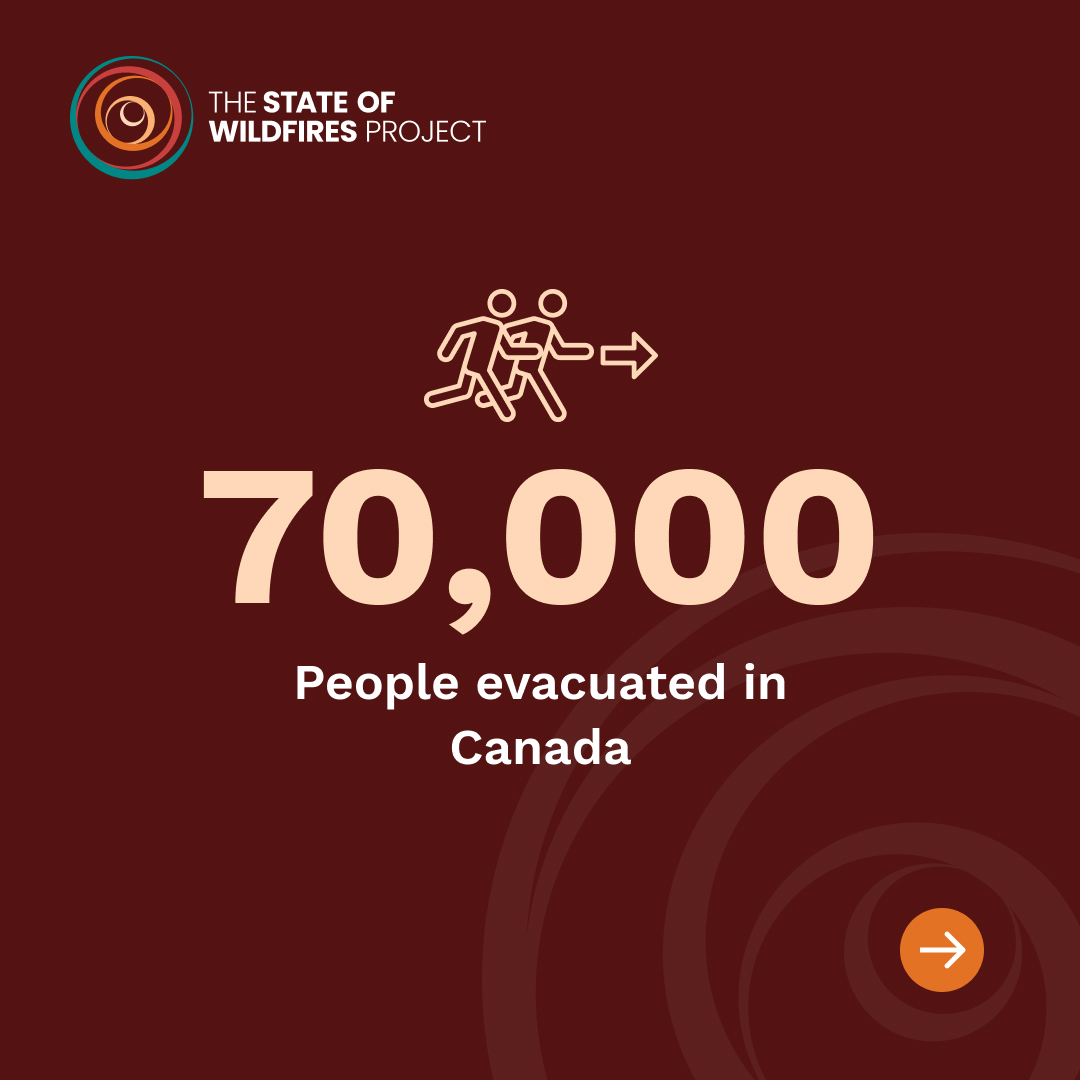
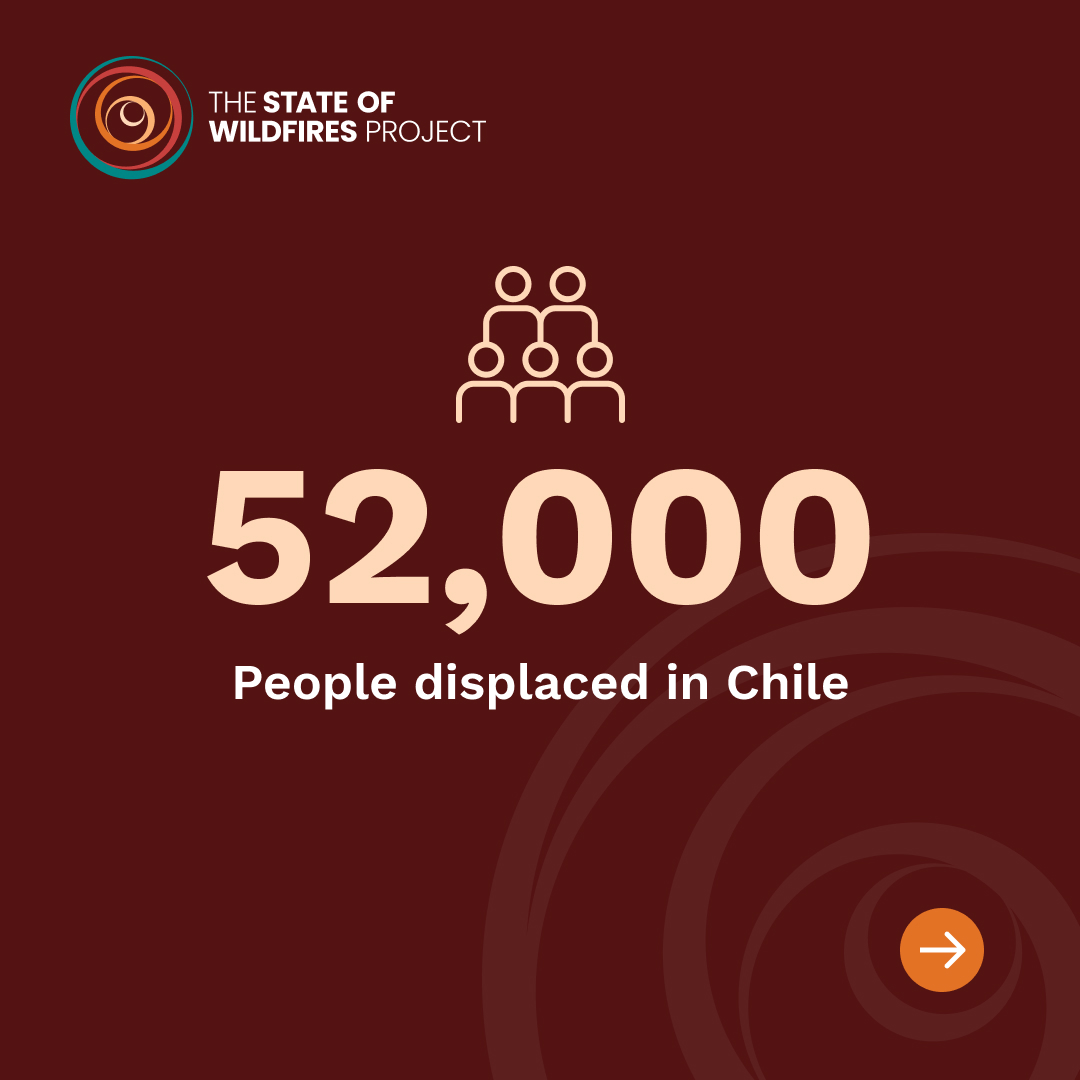
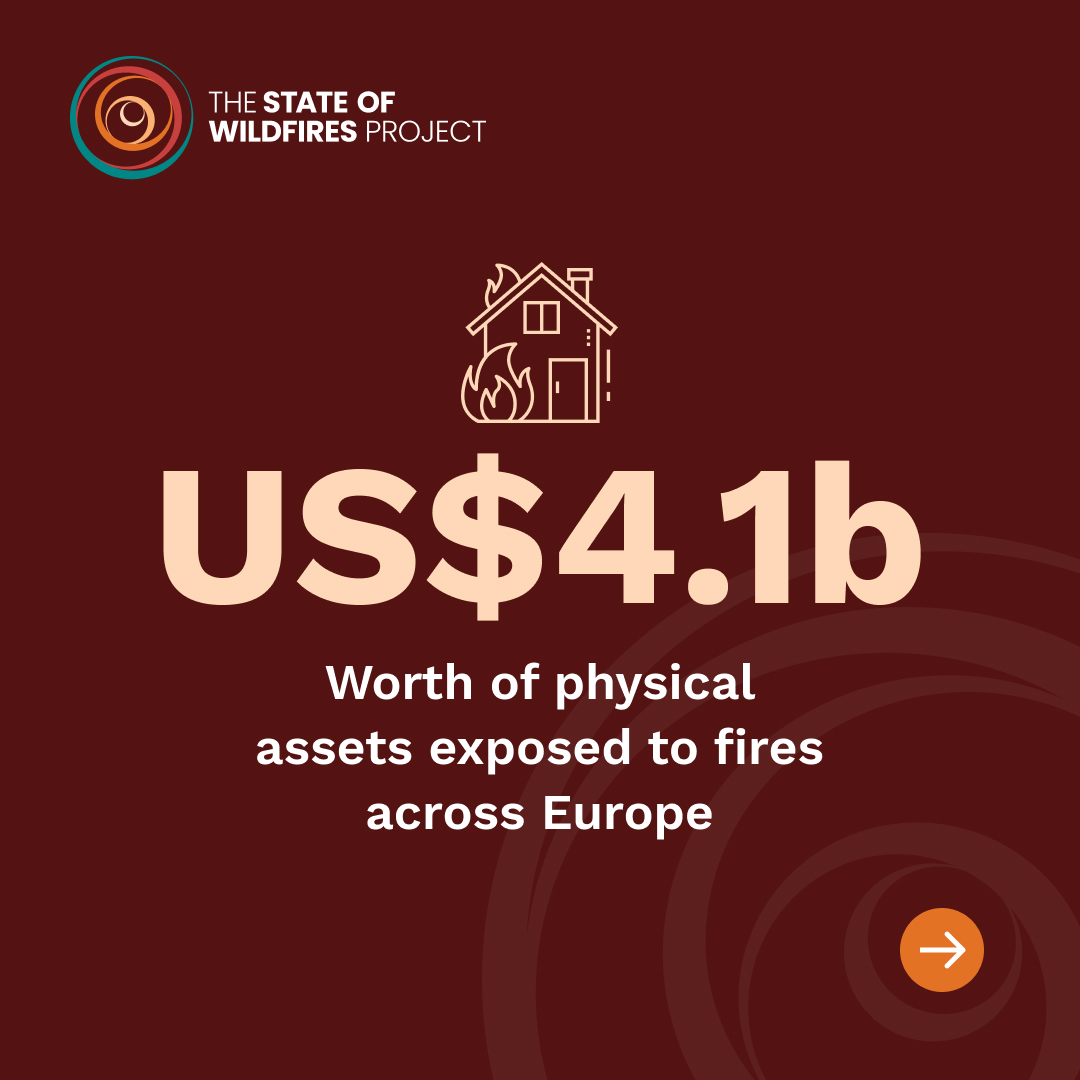
Beyond global burned area: key local impacts reported in State of Wildfires 2025-2026.
A hectare burned in a fire-dependent tropical savanna and a hectare burned in a carbon-rich moist forest have very different consequences for climate, biodiversity and society.
This distinction becomes increasingly important in a warming world.
Climate change is making extremes more important
Across the three years of State of Wildfires reporting, a consistent picture has emerged: Climate change is increasing the likelihood and severity of extreme wildfire events, even where global trends in burned area remain stable or decline.
In Canada, Amazonia, the Pantanal and the Congo Basin, prolonged drying and more severe fire weather have increased the risk of large fires in carbon-rich ecosystems.
Elsewhere, including Northwest Iberia and parts of California, a different pattern has emerged. Wetter pre-fire conditions increase vegetation growth, creating abundant fuel. Subsequent drought and heat then transform that vegetation into highly flammable landscapes capable of supporting extreme fires.
The mechanisms differ, but both pathways can increase the risk of damaging wildfire extremes.
This means that trends in average global burned area and trends in extreme wildfire impacts are increasingly diverging.
Why this matters for policy
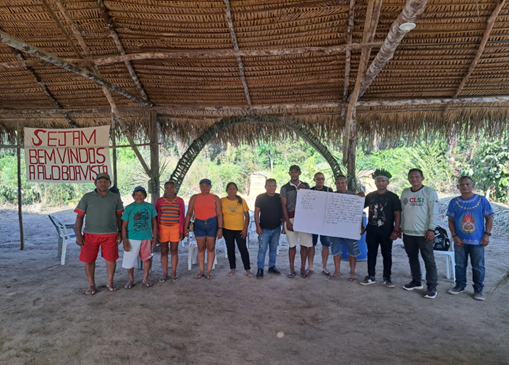
Perhaps the most important lesson is that global fire statistics can hide the realities faced by people and ecosystems on the front line. Even the “two trends in fire” view only captures part of the picture. A policymaker in Botswana, a forest manager in Portugal, and an Indigenous community in Amazonia may all appear in the same global statistics, yet they respond to very different fire systems, with different trends in local risks and unique management challenges.
If decision-makers focus only on global burned area, they may conclude that wildfire is becoming less important. If they focus only on extreme wildfire disasters, they may incorrectly assume that every ecosystem is moving in the same direction. Neither interpretation is correct.
Some regions, particularly savannas, are experiencing declining burned area. Other regions are experiencing increasing wildfire impacts driven by climate change. Many communities are dealing with both environmental change and shifts in long-established fire-management systems. At the same time, ecosystems, livelihoods and governance systems are being reshaped by interacting changes in climate, land use, vegetation and society, creating fire realities that differ markedly from those they evolved with or were designed to manage.
Understanding these differences and how people prepare for and respond to wildfires in a changing climate, can support the exchange of knowledge across regions, reveal what works under different social and environmental contexts, and foster more nuanced and effective adaptation to emerging fire realities. This recognition has also motivated the development of the Living with Fire report series, currently in preparation. Building on a regional and comparative approach, the series will explore how communities, institutions and ecosystems across different parts of the world are adapting to changing fire regimes, highlighting shared challenges and context-specific solutions for living with fire in the Anthropocene.
Recent Articles
A look at Europe’s wildfire season of 2026
October 2026
How Climate Change Is Reshaping the Fire Management Calendar
September 2026
When a wildfire builds a thunderstorm
August 2026