The Benefits of Prescribed Burning in the Brazilian Cerrado
Fire is commonly seen as destructive to vegetation. But this is not true for all ecosystems. In many cases, fire is a natural and essential ecological process. In fact, some ecosystems have evolved with recurrent fire over millions of years and depend on it to maintain their structure, diversity and functioning. This is the case of tropical savannas, such as the Brazilian Cerrado.
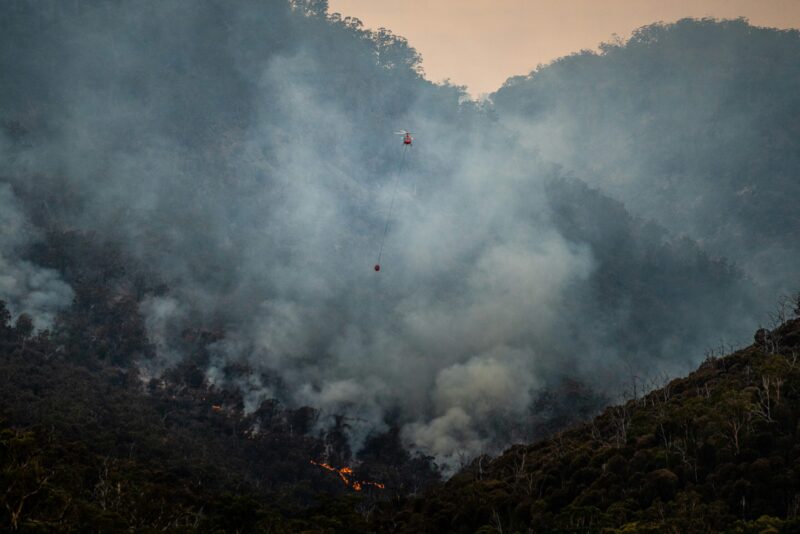
Located in central Brazil, the Cerrado is the second-largest biome in South America and is widely recognized as the most biodiverse savanna in the world. It is heavily regulated by fire, where biomass accumulates in the wet season and becomes highly flammable in the dry season. Although fire is a natural part of the system, climate change and land-use change are driving wildfires to become more frequent and intense, exceeding the resilience of the vegetation.
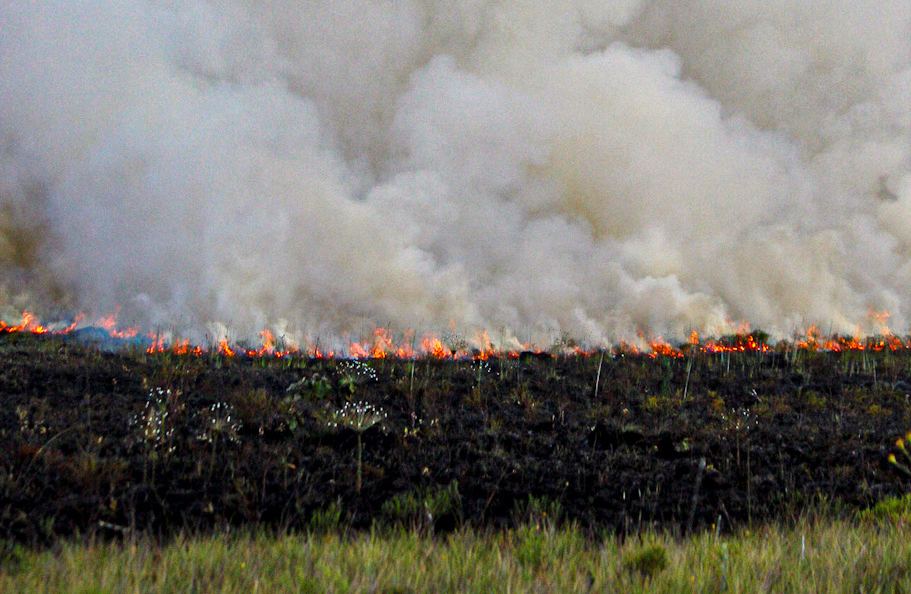
This is where managing fires becomes essential. Fire management encompasses a set of activities, and prescribed burning is one of them, where the overall aim is to reduce the risks and impacts of uncontrolled wildfires. In the Cerrado, prescribed burning often involves the application of fire within Protected Areas at the end of the rainy season or beginning of the dry season. By reducing the amount of fuel available, these low-intensity burns prevent the large and severe wildfires that typically occur later in the dry season.
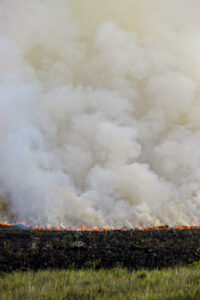
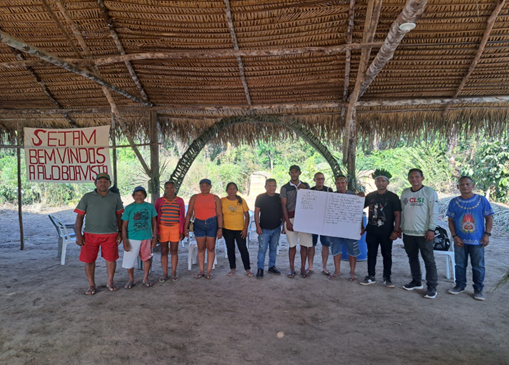
Far from being a recent innovation, Indigenous Peoples and Local Communities (IPLCs) have long employed prescribed burning for multiple purposes, including fuel load control, invasive species control, maintenance of ecological processes, flowering and fruit production, hunting, enhancement of pasture regrowth for cattle raising, slash-and-burn agriculture, and ritual and ceremonial practices.
However, the misbelief that fire harms the biome, combined with the widespread use of fire for deforestation and land clearing, led policymakers to adopt fire-exclusion strategies, especially in the 20th century. Since then, many studies have documented the ecological and social consequences of suppressing fires in the Cerrado, including changes in vegetation structure, biodiversity loss, and the accumulation of flammable material that can fuel more wildfires. As a result, scientific understanding and public perception have gradually shifted toward recognizing fire as a natural and essential component of the biome.
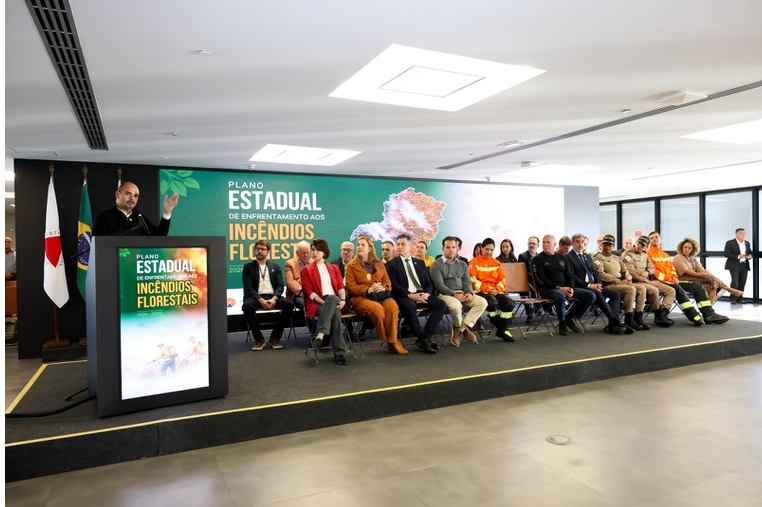
An important milestone in this transition was the enactment of Brazil’s Integrated Fire Management National Policy (Law 14,944/2024), approved in July 2024. The policy establishes guidelines for Integrated Fire Management across the country. Its objectives include reducing the occurrence, intensity and severity of wildfires, especially under the impacts of climate change, promoting the appropriate use of prescribed burning and other fire management practices, protecting biodiversity and human well-being, and strengthening the participation of IPLCs in fire governance.
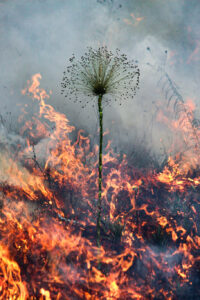
In this context, although the ecological benefits of prescribed burning are well documented, its effects on fire emissions remain poorly understood. To tackle this gap, we conducted a sensitivity experiment using the JULES-INFERNO fire model, where we include prescribed burning to investigate its impacts on burned area and fire emissions in the Cerrado.
Our results show that prescribed burning reduces wildfire burned area and emissions by 9.28% and 11.24% per year, respectively. These reductions are even greater during years with increased fire activity, suggesting that prescribed burning becomes particularly effective under more extreme fire conditions. Because prescribed burning intentionally increases fire occurrence during the early dry season, our simulations indicate an increase in total annual burned area and fire emissions when all fires are considered. At the same time, prescribed burning substantially reduces the occurrence of larger, more intense, and ecologically damaging wildfires later in the dry season.
These findings highlight an important trade-off: prescribed burning may increase overall fire activity, but it can effectively reduce the extent and emissions of destructive wildfires. Our experiment therefore provides support for fire management practices in the Cerrado by quantifying the potential effects of biome-scale prescribed burning on burned area and fire emissions.
This is particularly relevant given projected increases in fire frequency and intensity, ongoing policy and governance changes in Brazilian fire management strategies, and the intrinsic relationship between fire and the Cerrado biome. For 2026, this concern is exacerbated, since forecasts suggest a high likelihood of a severe El Niño event, which is often associated with hotter and drier conditions and increased wildfire risk in many regions. As the fire season in the Cerrado approaches, prescribed burning continuously emerges as a valuable adaptation strategy for enhancing the biome’s resilience to increasing climatic pressures.
Our study is published in the Journal of Pyrogeography since March 2026, and it is available at https://doi.org/10.1016/j.pyro.2026 .100006.
Recent Articles
How Climate Change Is Reshaping the Fire Management Calendar
September 2026
When a wildfire builds a thunderstorm
August 2026